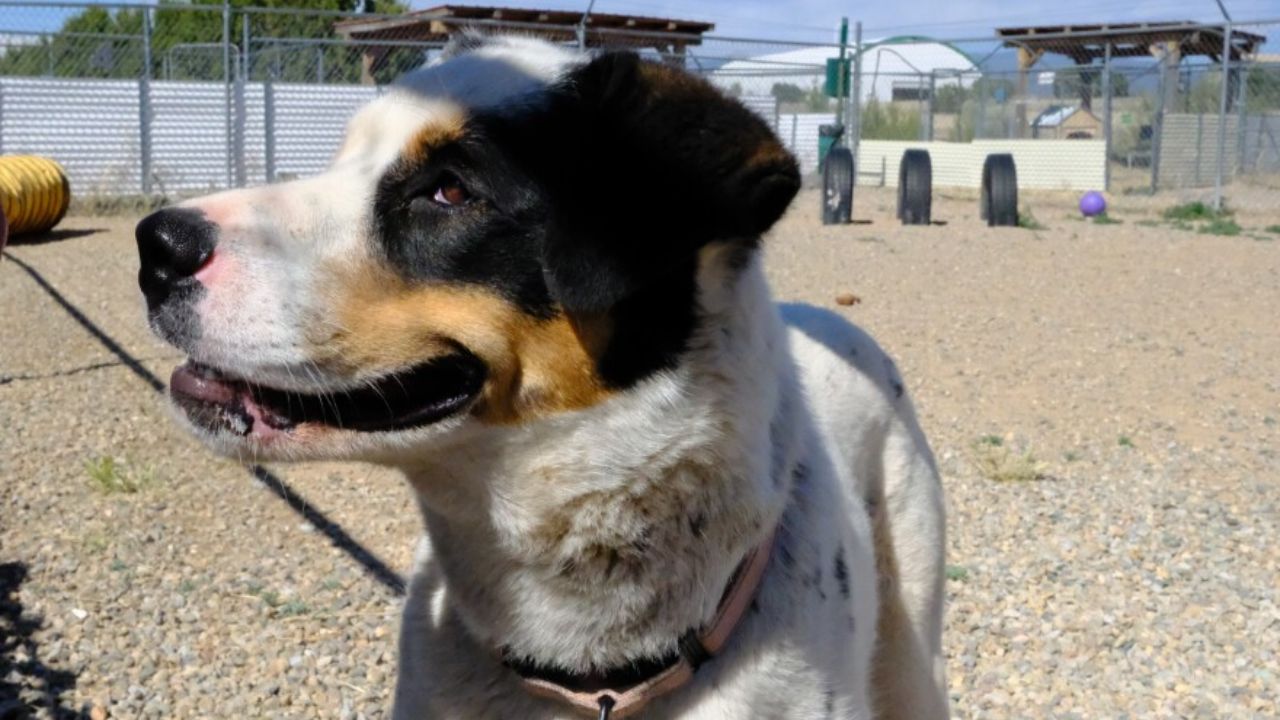
- New Mexico has the highest per capita animal shelter intake in the entire nation, according to Best Friends Animal Society.
- The Santa Fe Animal Shelter achieves a 93 percent live-release rate — one of the best in the country.
- A team of 700 volunteers, dedicated vets, and behavior specialists work daily to give every animal a second chance.
- From bottle-fed newborns to dogs mauled by coyotes, this shelter is pulling off medical and emotional miracles.
SANTA FE, New Mexico — When national data revealed that New Mexico leads the entire country in animal shelter intake per capita, one question immediately followed: what is actually happening inside these shelters?
At the Santa Fe Animal Shelter, the answer is something remarkable.
The shelter takes in roughly 3,500 animals every year. About 75 percent arrive through Santa Fe city and county animal services. The remaining 25 percent are surrendered by their owners.
And yet — 93 percent of those animals make it out alive.
The “No-Kill” Label Is More Complicated Than You Think
Shelter director Jackie Roach is not entirely comfortable with the term “no-kill.”
“It can be a polarizing term because if you’re an animal shelter, you’re not working there because you want to kill animals,” she said.
The 90 percent live-release benchmark is just a target, not a promise. Animals that are severely injured, critically ill, or too dangerous to return to the community are humanely euthanized. The real goal, Roach says, is simply to save as many lives as possible.
Only 55 percent of New Mexico’s shelters currently meet that 90 percent threshold. Santa Fe is well ahead of the curve.
Every Animal Gets Medical Care From Day One
When an animal arrives at the shelter, it immediately receives a full physical exam, vaccinations, and deworming. Spaying and neutering are handled on-site as well.
Dr. Valerie Roser, director of veterinary care at the shelter’s clinic, says infectious disease is the biggest ongoing challenge. Parvo — a potentially fatal and highly contagious gastrointestinal illness — is a constant threat for puppies. Ringworm runs through kitten and cat populations. Trauma cases come in regularly too.
Roser described one dog found in a Santa Fe arroyo, badly mauled by coyotes. The team feared they would need to amputate multiple legs. After months of treatment, they only lost one small toe.
That dog went home.
Finding the Right Match — Like a Dating App
Roach describes the adoption process like a dating app — looks are not enough.
The shelter focuses on matching personalities between potential owners and animals rather than just pairing people with whoever catches their eye. A dog that is too energetic for a quiet apartment dweller. A cat that needs a home without young children. Getting that match right is what makes adoptions stick.
Dogs with behavioral issues get one-on-one rehabilitation from a dedicated behavior team. Cats that are not social but are medically healthy can be released outdoors — but dogs cannot, due to rabies laws and the risk of pack behavior in neighborhoods.
700 Volunteers Are the Heart of This Operation
The shelter runs on an extraordinary network of around 700 volunteers.
They walk dogs, assist with adoptions, train therapy animals, and bring those animals into local hospitals. One volunteer runs a full humane education program inside Santa Fe schools.
Longtime volunteer Bernadette Lauritzen came in to foster a mixed-breed dog named Mama — even though she already had two dogs at home. Mama got lost in the forest for eight days during a separate foster placement. When she came back to the shelter and no one stepped forward to adopt her, Bernadette and her husband did.
“You know this dog’s not going back to the shelter, right?” she told her husband.
Volunteer Ryan Van Bibber spends a few hours each week walking dogs. One of his recent companions, a dog named John Paul, has since found his forever home.
“You walk out and you feel really good and you’ve touched these dogs,” Ryan said. “It’s hard to say goodbye to them at the end of the day.”
Have you ever adopted or volunteered at a local animal shelter? Tell us your story in the comments — you might inspire someone else to take that first step.